The Plug You Pick Before the First Cut: 110V and 240V on UK Stone Jobs

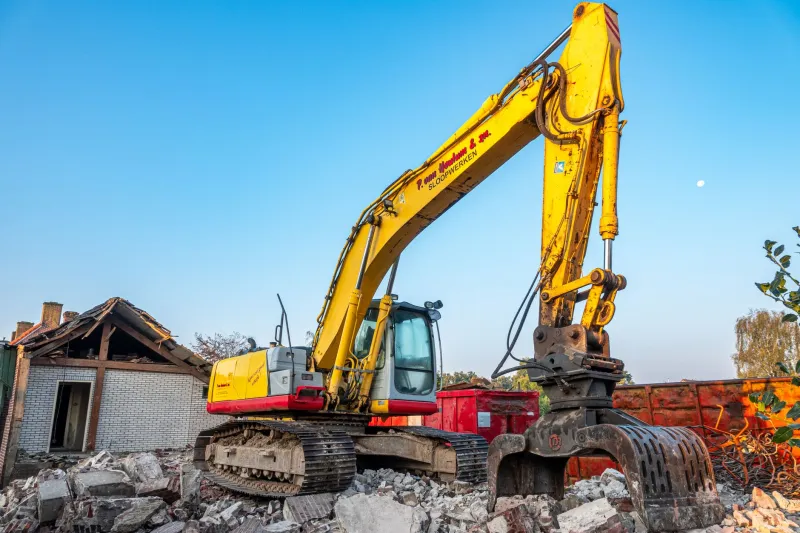
Photo by Photo by Call Me Fred on Unsplash on Unsplash
There is a moment on every stone job when the voltage question stops being technical and becomes physical. You are in a terraced house in Leeds, the client’s kitchen is dust-sheeted, the wet cutter is full of water, and the only socket within reach is a double gang behind a sofa. The saw is 110V. The transformer is still in the van. The extractor is 240V. Nobody is happy.
That is not a tool failure. It is a system failure, and it starts the day you buy the kit. In the UK stone trade we tend to call the two options 110V and 240V, even though the mains is nominally 230V. The labels have stuck because the practical difference has stuck: yellow plugs and a site transformer on one side, a normal domestic-style plug or a fixed workshop circuit on the other.
Why 110V is the site default
110V kit on UK sites is usually 110V centre-tapped earth. That means the highest voltage to earth is around 55V, which is why it has been the construction default for decades. It is not magic and it does not make a wet saw safe to cuddle. You still need RCD protection, sensible cable routing, IP-rated connectors and a healthy respect for water and electricity in the same room.
But if you are working on a live site, a refurb, or any job where the main contractor has rules, 110V is often the only voltage they will let through the gate. Hire shops stock it because sites demand it. Yellow leads, yellow plugs, 16A or 32A outlets, and a transformer that weighs more than your toolbag. That ecosystem is the real reason to choose 110V: compatibility, not romance.
The real loads in a stone shop
Voltage choice gets interesting when you add up what actually runs at the same time. A typical stone setup is not one tool. It is a saw, an extractor, a polisher, lights, and maybe a small pump or a hand tool on the same lead.
A 2.2kW to 3kW stone saw is a serious load, and it has a start-up spike. A dust extractor of 1.1kW to 1.5kW runs continuously alongside the saw because you cannot cut silica-bearing stone without extraction. A polisher might be 0.9kW to 1.4kW. LED site lights are modest, but four or five of them add up. At 110V, the current is roughly double what it would be at 240V for the same wattage. A 3kW saw at 110V pulls around 27A. A 1.5kW extractor pulls around 14A. Add them and you are already beyond a small transformer’s comfortable continuous rating.
This is where people get caught. A 3.3kVA site transformer is common and useful, but it is not a magic box that runs a 3kW saw and a 1.5kW extractor all day. It will run them until it does not, usually at the worst moment. A 5kVA transformer gives more headroom; a 10kVA unit is the safer shout if you are running a saw, extractor and polisher from one supply. Check the continuous rating, not just the peak, and check the outlet configuration before you buy.
At 240V, the same wattage pulls less current, but the plug often becomes the bottleneck. A 13A plug top is about 3kW maximum in ideal conditions, and a 3kW saw on a 13A plug is marginal at best. If you want 240V in a workshop, think dedicated 16A or 32A circuits, not a daisy chain of domestic extensions.
Sizing the transformer without guesswork
Start with the tools that must run together. Saw plus extractor is the non-negotiable pair. Add lights. Add the polisher only if someone will actually use it at the same time. Then add a margin for start-up, because induction motors and saws do not draw a flat current.
A simple working rule: total the continuous watts, divide by 110 to get rough amps, then give yourself 25–30% headroom. If that lands near the top of a transformer’s rating, go up a size. A 5kVA transformer is a sensible default for a two-person stone crew; a 3.3kVA unit is fine for lighter work and one tool at a time. Do not run a 32A tool from a 16A outlet through an adapter. That is not diversity; that is a fuse waiting to happen.
Cable runs and the wet Tuesday curse
110V makes cable runs more sensitive because the current is higher for the same power. Long, coiled extension leads cause voltage drop and heat. Keep the transformer close to the work, use the shortest lead that does the job, and uncoil drums fully. A 50m lead coiled on a drum is a heater with a plug on it.
In a workshop, 240V fixed circuits are fine when they are designed for it: RCD protection, correct cable size, commando outlets where needed, and no chaining of four-gangs across a wet floor. On site, keep 110V leads out of puddles, use IP-rated connectors, and inspect plugs and cable sheaths before they go in the van. PAT testing is part of the picture, but it is not a substitute for looking at the lead in your hand.
What this does to buying and hiring
If most of your work is site-based, wet, and hired, buy 110V and accept the transformer. It keeps you compatible with hire fleets and main contractors. If your work is workshop-first, with fixed benches and a proper extraction system, 240V tools on dedicated circuits can be simpler and lighter. Many stone tools come in both voltages; check before you compare prices, because the cheaper listing is often the voltage you cannot run.
A mixed setup is normal: 110V core tools for site, 240V fixed equipment in the workshop, and a transformer that lives in the van. What you should avoid is a random mixture of leads and adapters that only makes sense to the person who packed the van. The voltage you choose is a system choice. Pick it before the first cut, not on the driveway.